

1970 Chevrolet El Camino
In the realm of classic automobiles, the 1970 Chevy El Camino stands as a fascinating fusion of two worlds. The El Camino has both the utility of a pickup truck and the style of a classic car. With its sleek design, powerful performance, and iconic presence, the El Camino of this era remains a symbol of automotive innovation and versatility. Join us on a journey through time as we delve into the allure of the 1970 Chevy El Camino and uncover the reasons why it remains an enduring icon in the world of collectible cars.
Chevrolet has been winning at automobile manufacturing for years. While the new models that come out of the manufacturing facilities are churning their wheels to win the hearts of automobile lovers, the craze for old models has yet to die. Chevrolet has produced noticeable models like the 1970 El Camino that Chevy fans love to enhance the whole outlook of their collection.
Trim Levels and Powertrain
The 1970 Chevy El Camino was offered in various trim levels, catering to different preferences and performance demands. Each variant had a distinct charm, from the base model to the SS 454. The heart of these trim levels was the powertrain, and the El Camino did not disappoint. The engine options include the legendary 454 cubic-inch V8 engine. Not surprisingly, this monstrous engine was also used in both of the performance-minded Chevelle and Camaro model from 1970.
Power was at the forefront of this vehicle’s identity. The El Camino SS 454, with its massive engine, could pull off 0 to 60 mph in just 6.5 seconds. This mighty V8 engine also churned out an impressive 450 horsepower and a staggering 500 lb-ft of torque.
Exterior
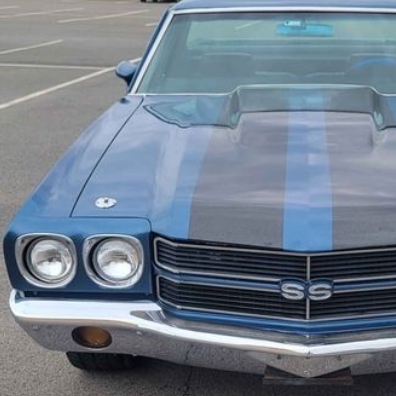
The 1970 El Camino boasted an exterior design that perfectly encapsulated the spirit of the times. Sharp lines and bold contours accentuated its muscular and aggressive stance. The distinct front grille, iconic Chevrolet emblem, and dual headlights gave the vehicle an unmistakable presence on the road. The 1970 El Camino Chassis service manual provides intricate details about the vehicle’s construction. It is also useful in highlighting the precision that went into every curve and crevice.
Interior and Comfort
Sliding into the driver’s seat of the 1970 El Camino was an experience in itself. The interior was designed with a driver-centric approach, placing all essential controls within easy reach. Bucket seats and a center console added a touch of sportiness. Other available options for interior trims allowed for customization to match individual tastes. Though the interior was not overly luxurious, it exuded a sense of purpose and functionality that resonated with the era’s ideals.
Fuel Mileage
During the 1970s, fuel efficiency wasn’t a front-and-center concern, and the 1970 Chevy El Camino embodied this era’s power-first ethos. Its larger V8 engines, including the SS 454, eked out around 8 to 10 miles per gallon in city driving. It boasted slightly better returns of about 12 to 14 mpg on the open highway. These figures might raise eyebrows today, but they were in line with the standards of the time when fuel-saving technology hadn’t reached today’s levels. The El Camino’s thirst for fuel was the trade-off for the robust power that made it an icon.
Technological Advancements
In the 1970s, the 1970 Chevy El Camino showcased the technological strides of its time. While not as laden with modern features, it boasted both power steering and power brakes. The era’s innovations were seen in its variety of engine options, including the legendary SS 454’s monstrous V8, which unleashed a staggering 450 horsepower. While its tech might seem quaint today, these advancements were pivotal in shaping El Camino’s reputation as a performance-focused powerhouse.
Cargo Space
One of the El Camino’s defining features was its versatile cargo bed. This addition seamlessly blended the utility of a truck with the comfort of a car. The spacious bed provided ample space for hauling, making it a favorite among those who needed both passenger transport and load-carrying capabilities.
The dimensions of the El Camino’s cargo bed varied for particular year and specific model. However, the 1970 El Camino boasted an impressive cargo bed length of approximately 80 inches (6.7 feet) and a width of around 54 inches (4.5 feet). This provided ample space for hauling various cargo types, making it a perfect option for transportation and load-carrying capabilities.
Safety
In the 1970 El Camino, Chevrolet made strides in addressing safety concerns of the time by implementing various safety features. These included energy-absorbing steering columns, front headrests, and dual-circuit master cylinders for the braking system. Additionally, this model featured improved side-impact door beams, providing increased protection for occupants in the event of a collision. These safety enhancements aimed to provide a more secure driving experience, aligning with the growing awareness of safety standards and regulations during the era.
Legacy
The 1970 Chevy El Camino holds a special place in automotive history, symbolizing an era marked by powerful engines, bold designs, and a unique fusion of utility and style. While the 1970 El Camino might be a product of the past, its impact and influence continue to reverberate through the present day, inspiring car enthusiasts and collectors alike.